Custom Engraved Phenolic Nameplate Design Options Explained: Complete Guide to Durable Industrial Identification
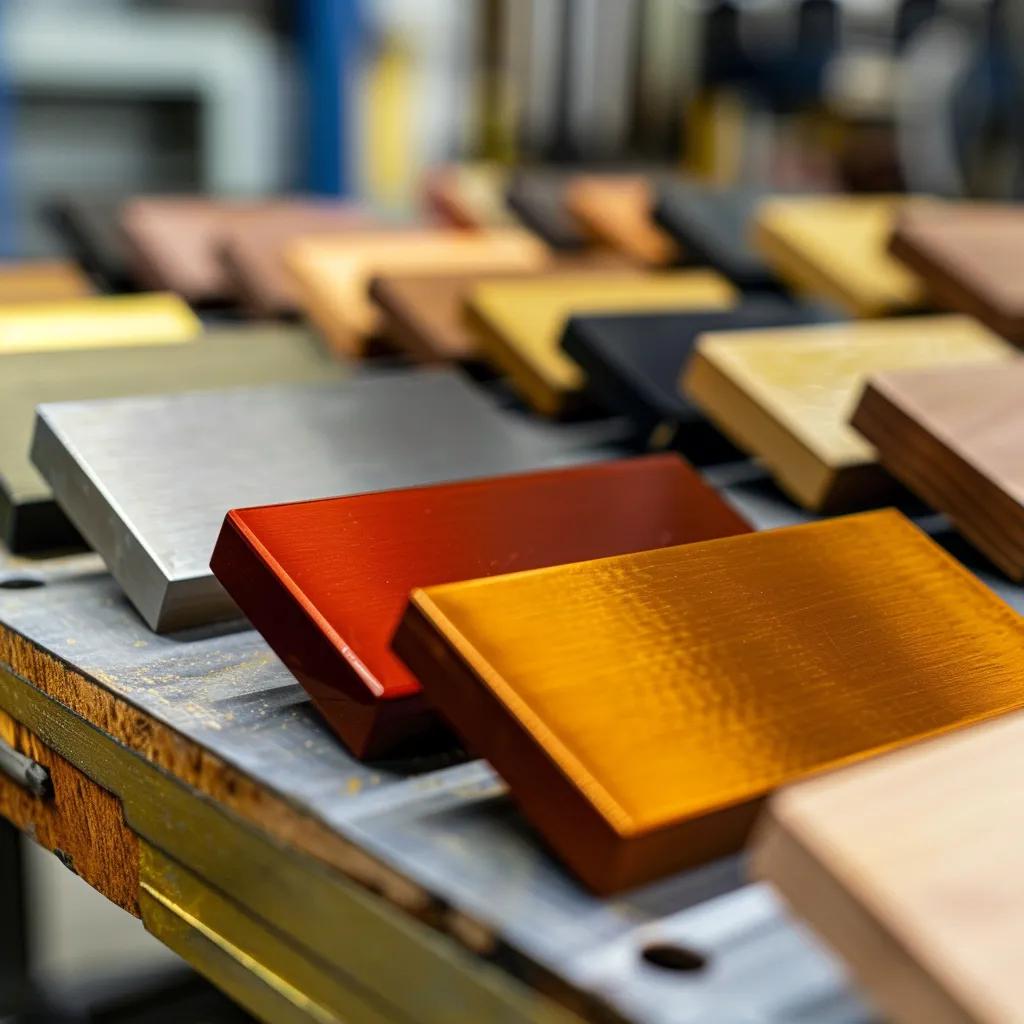
Industrial environments demand robust, legible identification that endures heat, chemicals, and abrasion. Custom engraved phenolic nameplate designs answer this need by combining a thermosetting polymer core with precision engraving for lasting clarity. This guide explains why phenolic resin stands out, explores every design choice from colors to shapes, and reveals real-world applications across electrical panels, machinery, and safety signage. Readers will learn how phenolic tags differ from nameplates, discover mounting methods that ensure secure performance, review key compliance standards, and navigate the ordering process with confidence—all while understanding how phenolic labels help maintain nameplate visibility and longevity.
In this guide you will discover:
- Fundamental properties of phenolic material and comparison with alternative engraving substrates
- Full spectrum of customization options including colors, fonts, shapes, and logo integration
- Industry use cases covering electrical labeling, asset management, and safety signage
- Differentiation between phenolic tags and nameplates plus best-fit applications
- Mounting methods, compliance requirements, and ordering workflow for rapid delivery
Freedom Cleaning Solutions also offers complementary cleaning and maintenance plans that preserve phenolic labels legibility in harsh environments, ensuring your industrial identification remains crisp and trustworthy.
What Is Phenolic Material and Why Is It Ideal for Nameplates?
Phenolic material is a laminated thermosetting polymer composed of multiple kraft paper or fiberglass plies bonded with phenolic resin under heat and pressure. This composition delivers exceptional rigidity, chemical resistance, and electrical insulation—qualities essential for industrial nameplates that must withstand harsh factory floors, electrical cabinets, and outdoor signage. For example, an electrical control panel labeled with phenolic overlays maintains clear identification through years of temperature cycling and solvent exposure. Understanding these attributes sets the stage for exploring its resin properties, comparative advantages, and the benefits that make phenolic the preferred substrate for durable engraved labels.
Phenolic Resin Properties
Phenolic resin is a thermosetting polymer that offers exceptional rigidity, chemical resistance, and electrical insulation, making it ideal for industrial phenolic labels. These properties are crucial for withstanding harsh environments and ensuring the longevity of the identification labels.
This research supports the article’s claims about the fundamental properties of phenolic material and its suitability for demanding industrial applications.
What Are the Key Properties of Phenolic Resin?
Each property contributes to the overall durability and readability of phenolic labels, ensuring they retain both structural integrity and high-contrast text in industrial settings.
How Does Phenolic Compare to Other Engraving Materials?
These comparisons demonstrate why phenolic often outperforms alternatives in industrial identification, combining a wide service temperature range, chemical resilience, and customizable appearance for optimized labeling solutions.
What Are the Benefits of Using Phenolic Plastic for Nameplates?
- Durability – Withstands impacts, abrasion, and chemical exposure without cracking or fading.
- Non-Conductivity – Electrical panels and live machinery parts can be safely labeled without risk of short circuits.
- High Contrast – Engraving produces crisp, legible text in stark color combinations that resist UV-induced color shifts.
These advantages translate into reliable equipment identification, reduced maintenance errors, and compliance with safety regulations in facilities from manufacturing plants to power substations. Phenolic labels are crucial for effective identification.
What Custom Design Options Are Available for Phenolic Nameplates?
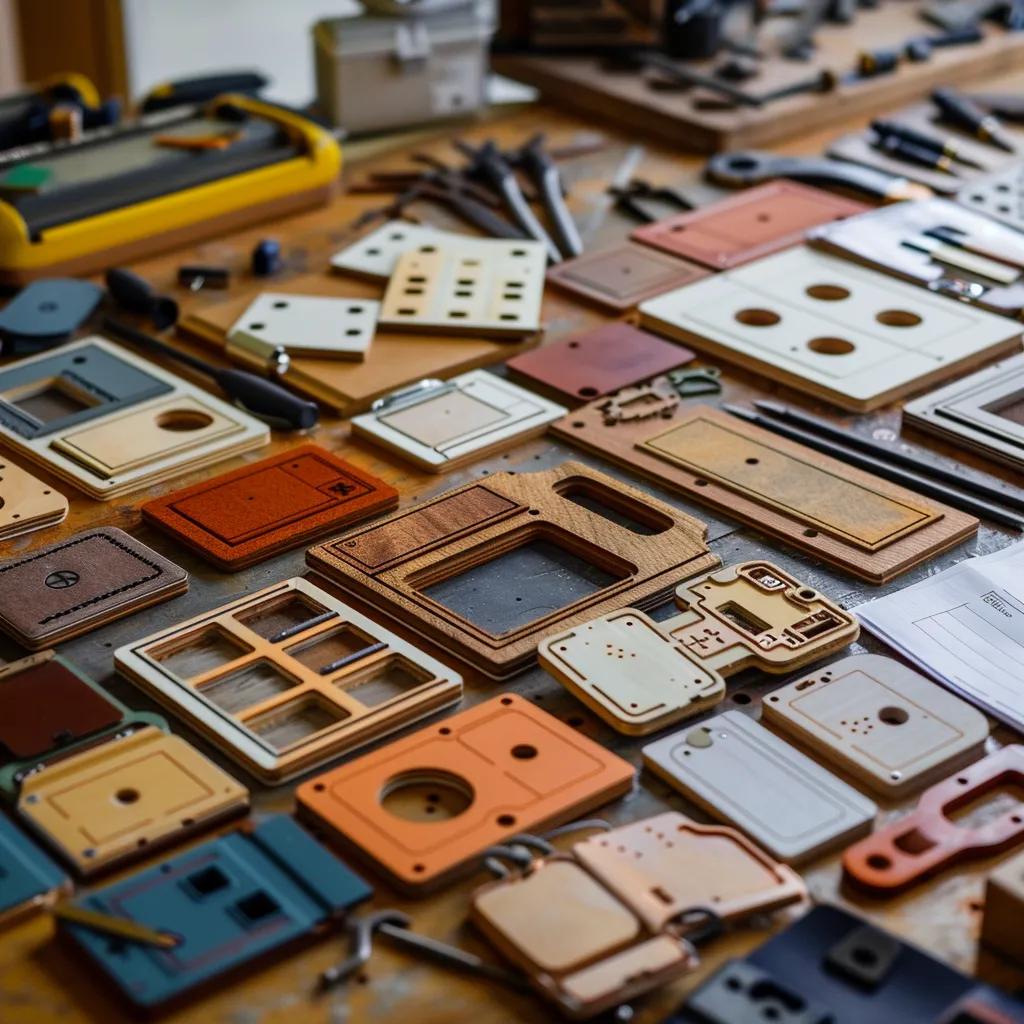
Phenolic nameplates offer extensive customization to match branding requirements, functional needs, and environmental constraints. From selecting vivid color combinations to specifying engraving depth, each option enhances both aesthetics and service life.
Customization Options for Phenolic Nameplates
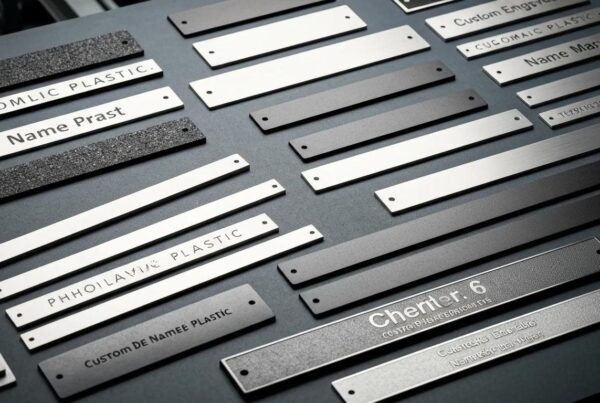
Phenolic nameplates offer extensive customization options, including a wide range of colors, finishes, fonts, shapes, and the ability to incorporate logos and graphics. This flexibility allows for the creation of labels that meet specific branding requirements and functional needs.
This citation supports the article’s discussion of the various design choices available for phenolic labels, emphasizing the importance of customization.
Which Color Combinations and Finishes Can Be Customized?
- Black text on white or yellow background for electrical safety labels
- White text on black or red background for high-contrast machinery tags
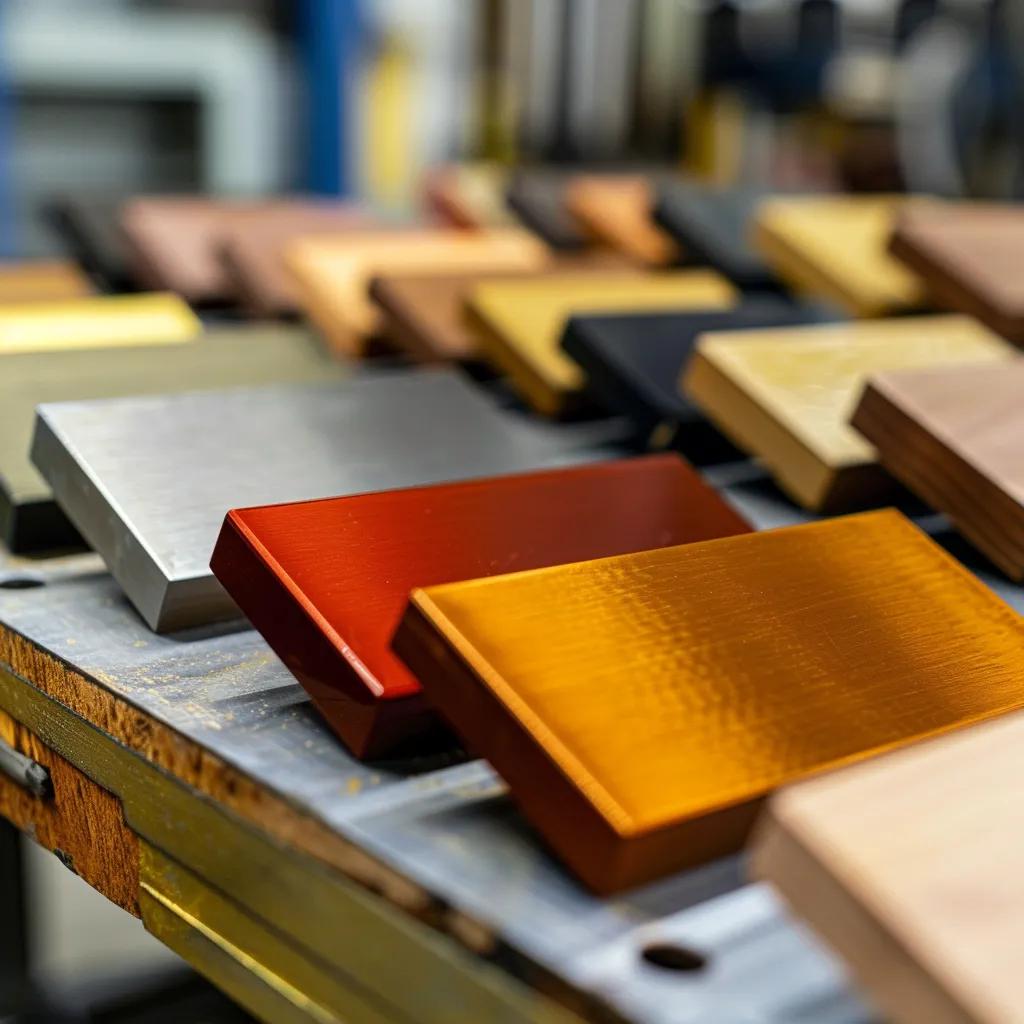
- Custom corporate colors with matte, satin, or gloss finishes for branded control panels
These color and finish choices align with ANSI safety guidelines and support clear visibility in indoor and outdoor installations.
What Font Styles and Engraving Techniques Are Used?
- Laser Engraving – Delivers fine detail, sharp edges, and rapid throughput for complex logos.
- Rotary Engraving – Excels at deep etching on thicker phenolic for tactile labels in harsh environments.
- Font Styles – Choose from industrial-grade sans-serif fonts (e.g., Arial, Helvetica) or custom typefaces for branding consistency.
Selecting the right combination ensures the finished nameplate meets both functional and aesthetic standards while optimizing production efficiency.
How Can Custom Shapes and Sizes Enhance Nameplate Functionality?
- Slim, elongated strips for valve identification on piping
- Large oval or circular plates for warning signage on machinery guards
- Irregular cutouts to conform to curved equipment housings
Tailoring shape and size ensures the nameplate fits the mounting location and communicates essential information without clutter or obstruction.
Can Graphics and Logos Be Incorporated into Phenolic Nameplates?
Yes, high-resolution logos, barcodes, QR codes, and pictograms can be engraved directly into the phenolic surface or inlaid using multi-layer color fills. This capability supports consistent corporate branding and enables automated equipment tracking when paired with 2D codes.
How Are Custom Engraved Phenolic Nameplates Used Across Industries?
Phenolic nameplates serve as essential identification tools in sectors where clarity and durability impact safety, compliance, and operational efficiency. Their versatility extends from electrical distribution to asset management in industrial plants.
What Are Common Uses in Electrical Panel Labeling?
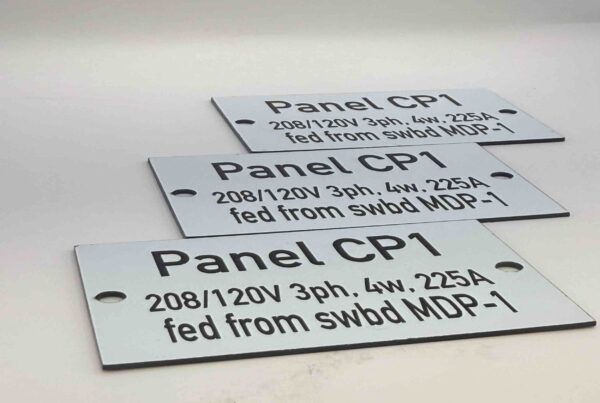
Phenolic overlays on electrical panels provide clear, non-conductive labeling for circuit breakers, busbars, and terminal blocks. Layered construction ensures characters remain legible even under thermal cycling. These panels benefit from high-contrast engraving that prevents misidentification and enhances worker safety when troubleshooting live equipment.
How Do Phenolic Nameplates Support Industrial Machinery Identification?
On heavy machinery, engraved phenolic plates mount directly to metal housings, conveying model numbers, serial codes, and operating parameters. Their abrasion-resistant surface stands up to accidental impacts and frequent cleaning, reducing downtime caused by illegible or missing tags.
What Role Do Phenolic Tags Play in Asset Management?
Phenolic tags offer durable identifiers for tracking fixed and mobile assets across maintenance cycles. By pairing these tags with barcodes or RFID labels, companies streamline inventory management and maintenance scheduling. For specialized marker options, explore detailed profiles of laser engraved phenolic tags that combine precision engraving with rugged performance for seamless asset tracking.
How Are Phenolic Nameplates Applied in Safety Signage?
Safety signage created from phenolic labels highlights hazards, mandatory PPE, and emergency procedures. Typical applications include lockout/tagout instructions on control stations and warning labels on chemical storage tanks. Their chemical- and UV-resistant properties ensure critical safety messages remain visible in the most demanding conditions.
What Are the Differences Between Phenolic Tags and Nameplates?
Phenolic tags and nameplates share the same core material but differ in form factor and information density to suit distinct identification tasks.
How Do Size and Information Density Vary Between Tags and Nameplates?
Tags excel at succinct labels for piping, valves, and small components, whereas nameplates provide comprehensive data on equipment, compliance, and branding.
Which Applications Are Best Suited for Phenolic Tags vs. Nameplates?
- Phenolic Tags – Ideal for minimal-text identifiers on piping, conduit, and portable tools
- Phenolic Nameplates – Suited to control panels, machinery rating plates, and long-form safety signage
How Do Mounting and Installation Options Affect Phenolic Nameplate Performance?
Proper mounting methods prevent moisture ingress, maintain adhesion, and reduce mechanical stress on phenolic plates throughout service.
What Are the Advantages of Adhesive Backing vs. Mechanical Fastening?
Adhesive-backed plates bond directly to flat surfaces for a clean appearance and rapid installation. Mechanical fastening—using rivets or screws—secures plates on irregular or curved surfaces and ensures resistance to peel-off in high-vibration applications.
How Should Drilled Holes and Rivets Be Used for Secure Installation?
Drilled mounting holes should be chamfered to prevent stress fractures. Use corrosion-resistant rivets or screws sized to match the hole diameter and plate thickness. Properly sealed fasteners maintain environmental resistance and prevent galvanic corrosion when mounted on metal panels.
What Compliance Standards Must Custom Phenolic Nameplates Meet?
Meeting industry standards ensures nameplates perform reliably under specified conditions and contribute to regulatory compliance.
How Do UL, OSHA, and ANSI Standards Apply to Phenolic Nameplates?
Underwriters Laboratories (UL) tests flame spread (UL 94 HB), chemical resistance, and temperature limits for insulating materials. OSHA references ANSI safety sign standards that dictate color coding, symbol usage, and legibility criteria. Compliance with these standards certifies that phenolic labels convey information safely and effectively.
What Is MIL-SPEC Certification and Why Is It Important?
MIL-SPEC certification verifies that nameplates conform to stringent military specifications for shock, vibration, temperature extremes, and chemical exposure. This level of qualification is critical for aerospace, defense, and mission-critical industrial applications where failure of identification can compromise operation and safety.
How Can You Order and Customize Your Phenolic Nameplates?
A structured ordering process streamlines design approval, production scheduling, and delivery to meet project timelines without sacrificing quality.
What Is the Typical Quoting and Design Approval Process?
- Submit your requirements including text, dimensions, color preferences, and mounting method.
- Receive a detailed quote outlining material, engraving method, and delivery lead time.
- Approve digital proofs that depict plate layout, font styles, and logo placement.
This workflow ensures accuracy and alignment with your branding and functional needs.
What Artwork Guidelines Ensure Optimal Engraving Quality?
- Provide vector-based artwork (EPS, AI, or PDF) for logos and graphics.
- Outline fonts and convert text to curves to prevent substitution errors.
- Maintain minimum line widths of 0.5 mm and minimum character height of 3 mm for legibility.
Following these guidelines maximizes engraving contrast and prevents production delays.
How Long Does Production and Delivery Usually Take?
Standard lead times range from 5 to 10 business days after artwork approval, depending on complexity and quantity. Expedited options can reduce turnaround to 2–3 days for critical projects, ensuring your nameplates arrive exactly when needed.
What Are Frequently Asked Questions About Custom Engraved Phenolic Nameplates?
Engineers and facility managers most often inquire about material performance, electrical properties, manufacturing methods, and environmental durability. Key concerns include phenolic label uses, conductivity characteristics, fabrication techniques, and resistance to harsh conditions. Addressing these topics upfront clarifies expectations and guides informed decision-making when specifying industrial identification solutions.
How Do Custom Engraved Phenolic Nameplates Enhance Industrial Safety and Efficiency?
By combining resilient materials with precision engraving, phenolic nameplates reduce mislabeling errors and support clear operational workflows, driving both safety and productivity.
How Do Durable Nameplates Reduce Maintenance Errors?
Durable phenolic markers maintain legible identification throughout equipment lifecycles, cutting miswire incidents and lookup delays by up to 20 percent in high-volume maintenance operations. Consistent readability underpins accurate troubleshooting and accelerates repair turnaround.
What Are Real-World Examples of Phenolic Nameplate Success?
In a major manufacturing plant, switching to engraved phenolic control panel overlays reduced accidental shutdowns by 15 percent. Clients praise the combination of rapid delivery, exact engraving tolerances, and long-term performance—demonstrating why phenolic remains the top choice for critical industrial labeling.
Engraved phenolic nameplates offer unmatched reliability, customization, and compliance for industrial identification. By understanding material properties, design options, and installation best practices, professionals can implement labeling solutions that stand up to rigorous environments while enhancing safety and efficiency.