Master Custom Engraving Techniques for Nameplate Services: Comprehensive Guide to Precision and Durability
Custom engraved nameplates are essential for clear identification, branding consistency, and long-lasting durability in commercial and industrial environments. Commercial custom nameplate engraving services often struggle with inconsistent depth, poor edge definition, or low resistance to wear—issues that undermine legibility and professional presentation. This guide promises to equip facility managers, product designers, and procurement teams with an authoritative overview of every major engraving method, material compatibility, design best practices, equipment requirements, cost factors, and emerging industry trends. You will explore:
- Primary engraving techniques (laser, rotary, chemical etching, others)
- Material selection and performance (metal, plastic, specialty substrates)
- Decision criteria for technique choice based on application needs
- Design principles for maximum legibility and aesthetic appeal
- Equipment capabilities, software workflows, and maintenance tips
- Pricing ranges, cost drivers, and quoting strategies
- Clarified distinctions and common service questions
- Latest innovations shaping the future of nameplate engraving
What Are the Primary Custom Engraving Techniques for Nameplates?
Engraving techniques define mark quality, speed, and durability for custom nameplates. The three foundational methods—laser engraving, rotary engraving, and chemical etching—each employ distinct mechanisms to achieve precise identification marks on plate materials. Subsequent subsections examine how these processes work, their advantages, and when to select supplementary approaches.
Engraving Techniques and Material Compatibility
Various engraving techniques, including laser, rotary, and chemical etching, are employed to create precise and durable markings on nameplates. The choice of technique depends on factors such as material compatibility, desired precision, and application requirements. Different materials like metals, plastics, and specialty substrates offer unique engraving characteristics and performance outcomes.
This source provides a general overview of custom engraving techniques and material selection, which directly supports the article’s discussion on these topics.
How Does Laser Engraving Work for Nameplates?

Laser engraving uses a focused light beam to vaporize or ablate surface material, creating high-contrast, permanent markings without physical contact. This method excels at fine detail and rapid processing.
Key benefits include:
- Exceptional precision for micro-text and intricate logos
- Minimal mechanical wear or tool changeover
- Clean marking with little post-processing required
By manipulating beam power, pulse frequency, and scan speed, operators achieve crisp recesses or color-change marks on metals, plastics, and coated substrates. Understanding laser parameters guides optimal engraving outcomes and transitions naturally into rotary approaches that rely on mechanical cutting.
What Are the Benefits of Rotary Engraving for Durable Nameplates?

Rotary engraving employs a spinning carbide or diamond-tipped cutter that mechanically carves channels into the plate surface. This non-thermal method delivers deep, tactile grooves with consistent depth control.
Primary advantages include:
- Uniform depth for enhanced wear resistance
- High material removal rates on robust alloys
- Versatility across plastics, metals, and composites
Rotary machines accommodate heavy duty marking jobs—such as industrial asset tags—where extreme durability and edge definition matter most. Having contrasted mechanical and optical processes, the next section addresses chemical permanence in etching.
How Is Chemical Etching Used in Industrial Nameplate Engraving?
Chemical etching leverages controlled acid or alkaline solutions to dissolve selected surface areas through a photoresist mask, producing highly durable, recessed designs on metal sheets.
Key attributes:
- Deep, permanent marks resistant to abrasion and solvents
- Unlimited design complexity via photo-mask imaging
- Ideal for high-volume signage requiring uniform depth
By mastering resist application, etchant concentration, and process timing, technicians create corrosion-proof identification plates suitable for aerospace, automotive, and medical equipment. Beyond etching, deep engraving and manual methods offer further options.
What Other Engraving Methods Are Available for Nameplates?
Beyond laser, rotary, and chemical processes, additional approaches include diamond-drag marking and hand engraving. Diamond-drag uses a stylus to displace material for raised reverse marks, while skilled artisans employ gravers for bespoke, high-artistry pieces.
These methods deliver unique aesthetics for trophies, plaques, and one-off signage. Having reviewed core techniques, a direct comparison clarifies strengths and ideal material pairings.
How Do These Techniques Compare: Laser vs. Rotary vs. Chemical Etching?
Below is an entity-attribute-value table contrasting the three primary engraving methods:
Each approach balances precision, depth, throughput, and cost—guidance which informs material selection and design practices.
Which Materials Are Best Suited for Custom Nameplate Engraving?
Material compatibility dictates mark clarity, edge finish, and environmental resistance. Metals, plastics, and specialty substrates each offer unique engraving characteristics and performance outcomes.
What Are the Properties of Metal Nameplates for Engraving?
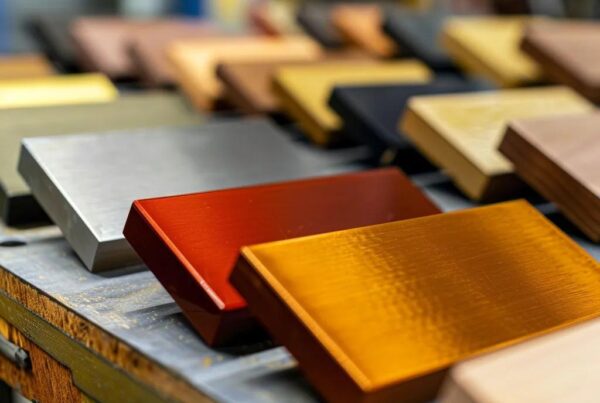
- Brass: warm gold finish, excellent etch contrast, suitable for decorative plaques
- Stainless Steel: rugged corrosion resistance, retains crisp laser or rotary marks
- Aluminum: lightweight, anodized surfaces yield high-contrast engraving
Metal nameplates sustain harsh conditions—chemicals, UV exposure, moisture—and pair seamlessly with laser, rotary, or etching processes. The discussion now turns to plastic alternatives.
How Does Plastic Perform in Laser and Rotary Engraving?
Plastic substrates like acrylic, ABS, and phenolic deliver cost-effective, color-contrasting nameplates with rapid processing.
Plastics enable lightweight, budget-friendly identification plates. To understand how material traits shape engraving quality, the next section examines property effects.
What Specialty Materials Can Be Engraved for Nameplates?
- Wood: offers natural grain patterns, best with rotary or laser-etch finish
- Glass: high clarity etching, ideal for decorative signage or awards
- Crystal: precision laser etching for premium trophies and recognition
Selecting these materials depends on application aesthetics, environmental conditions, and durability requirements, setting the stage for material property impact analysis.
How Do Material Properties Affect Engraving Quality and Durability?
Material hardness, thermal conductivity, and chemical composition directly influence engraving clarity, edge burr formation, and long-term wear resistance. High-hardness alloys yield sharper edges but slower cut rates, while softer plastics engrave rapidly but risk melt or charring under high laser power. Understanding these trade-offs ensures optimal nameplate performance in any environment.
Material Properties and Engraving Quality
Material properties such as hardness, thermal conductivity, and chemical composition significantly influence engraving quality and long-term wear resistance. High-hardness alloys yield sharper edges but slower cut rates, while softer plastics engrave rapidly but may risk melting or charring under high laser power. Understanding these trade-offs ensures optimal nameplate performance in any environment.
This source highlights the importance of material properties in determining engraving quality, which is relevant to the article’s discussion on material selection.
How to Choose the Right Engraving Technique for Your Custom Nameplate?
Selecting the ideal method requires balancing material compatibility, precision needs, budget, and intended application. Evaluating these factors prevents costly rework and ensures legible, durable marks.
What Factors Influence the Selection of Engraving Methods?
Key decision criteria include:
- Material type and thickness compatibility
- Required mark depth and edge quality
- Batch size, throughput demands, and turnaround time
- Budget constraints and equipment availability
By prioritizing these attributes, teams streamline process selection—leading seamlessly into application-specific recommendations.
Which Techniques Are Ideal for Commercial and Office Nameplates?
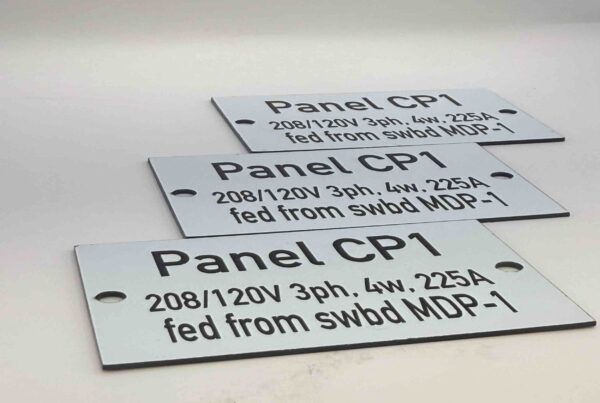
For professional desk plates, lobby signage, and branding elements, laser engraving on anodized aluminum or acrylic offers high-contrast, fine-text rendering with rapid turnarounds and minimal post-processing. Rotary engraving on brass also delivers premium tactile appeal for executive signage.
What Engraving Methods Suit Industrial and Asset Tracking Nameplates?
Industrial asset tags demand rugged marks resistant to oils, chemicals, and abrasion. Chemical etching on stainless steel or deep rotary engraving on aluminum plates ensures permanent identification that withstands harsh operational environments and regulatory compliance requirements.
How Do Application Requirements Affect Technique Choice?
Different use cases—award plaques, personalized badges, safety signs—impose distinct aesthetic and durability criteria. Awards prioritize aesthetic differentiation (wood or crystal), badges require moderate depth and distinct coloring (laser-marked plastics), while safety signs demand high-visibility color fills and robust substrates.
What Are the Best Practices for Designing Custom Engraved Nameplates?
Effective design enhances legibility, brand consistency, and functional appeal. Following proven guidelines avoids typographic pitfalls and maximizes engraving precision.
How Does Font Selection Impact Nameplate Legibility?
Choosing clear, sans-serif fonts with even stroke widths—such as Arial, Helvetica, or DIN—ensures deep, uniform cuts and optimal readability. Avoid decorative scripts or thin serifs that may melt under laser power or wear unevenly in rotary grooves.
How to Integrate Logos and Graphics into Engraved Nameplates?
Vector-based logo files (SVG, AI, DXF) translate smoothly into engraving workflows. Embed artwork as high-contrast line art, convert fills to hatch patterns for rotary tools, and optimize line weights to 0.1–0.3 mm for precise rendering.
What Are the Principles of Effective Nameplate Layout and Size?
Balance content hierarchy by allocating at least 15 mm height for primary text, 8 mm for secondary lines, and ensuring 2 mm clear margins around edges. Maintain 1.5× character height spacing to avoid crowding and improve cut accuracy.
How Does Customization Enhance Nameplate Functionality and Appeal?
Personalization options—text engraving, logo placement, colored infills, and custom shapes—boost branding impact and user engagement. Tailored nameplates foster recognition and streamline facility navigation when aligned with corporate visual standards.
What Equipment and Technology Are Used in Custom Nameplate Engraving?
Understanding machine features, software capabilities, and maintenance protocols ensures reliable production of high-quality nameplates.
What Are the Features of Laser Engraving Machines for Nameplates?
Modern laser systems include:
- Variable wattage CO₂ or fiber lasers (20–100 W) for versatile material engagement
- Galvo scanning heads for high-speed marking (up to 7 m/s)
- Integrated exhaust and filtration for fume removal
- Embedded control software for raster/vector processing
These features collectively deliver precision, speed, and minimal maintenance downtime.
How Do Rotary Engraving Machines Operate for Deep Marking?
Rotary machines consist of:
- Spindle motor driving the cutting tool at 10,000–30,000 RPM
- CNC-controlled X–Y gantry for toolpath accuracy
- Feed rate adjustments (10–50 mm/s) to regulate cut depth
- Adjustable tool holders for quick bit changes
This mechanical setup yields consistent, V-groove engraving ideal for thick or high-hardness materials.
What Software and Design Tools Support Custom Engraving?
Key software includes:
- CAD platforms (AutoCAD, SolidWorks) for precise vector layouts
- Graphic tools (Adobe Illustrator, CorelDRAW) for artwork preparation
- CAM modules for nesting, toolpath calculation, and cost estimation
Streamlined workflows accelerate production and maintain design fidelity.
How to Maintain and Troubleshoot Engraving Equipment?
Regular maintenance tasks:
- Clean optics and lenses on laser systems to prevent beam distortion
- Lubricate linear guides and lead screws on rotary machines to reduce backlash
- Calibrate tool position offsets monthly for consistent depth control
- Review error logs and perform sensor alignment checks
Proactive care minimizes unplanned downtime and preserves engraving accuracy.
How Much Does Custom Nameplate Engraving Cost and What Affects Pricing?
Cost Factors in Custom Nameplate Engraving
Custom engraving pricing reflects technique complexity, material costs, and production volume. Laser engraving, rotary engraving, and chemical etching have different price ranges per plate, influenced by factors such as laser wattage, bit wear, and mask preparation. Volume discounts, design complexity, and substrate thickness further influence quotes.
This source provides insights into the cost factors associated with custom nameplate engraving, which supports the article’s section on pricing and quoting strategies.
What Are Typical Price Ranges for Laser, Rotary, and Chemical Etching?
Volume discounts, design complexity, and substrate thickness further influence quotes.
How Do Material Choices Influence Engraving Costs?
Premium substrates—stainless steel, crystal, brass—carry higher raw material costs but often require less post-processing. Plastics and anodized aluminum offer economical entry-level pricing with fast cycle times.
What Role Does Customization Play in Pricing?
Complex logos, color infills, varied substrates, and tight tolerances increase setup time and machine programming effort, raising per-piece costs. Bulk orders amortize setup fees across larger quantities.
How to Get Accurate Quotes for Commercial Custom Nameplate Engraving Services?
Provide clear design files (vector artwork), specify material type/thickness, anticipate quantity, and outline required finish. Detailed RFQs minimize vendor assumptions and yield precise pricing comparisons.
What Are Common FAQs About Custom Nameplate Engraving Services?
Businesses often inquire about terminology, materials, turnaround, and design capabilities. Clarifying these topics aids decision-making and sets realistic expectations.
What Are the Differences Between Etched and Engraved Nameplates?
Etched nameplates use chemical or laser etching to remove surface layers without tool contact, creating smooth, permanent recesses. Engraved plates employ mechanical cutters or lasers to physically carve channels, offering tactile grooves and varied depth control.
Which Materials Are Best for Laser Engraved Nameplates?
Acrylic, anodized aluminum, and coated plastics yield the highest contrast and legibility under laser engraving. Metal alloys such as stainless steel and brass also accept laser etching for durable, corrosion-resistant identification.
How Long Does Custom Nameplate Engraving Take?
Typical turnaround ranges from 1 to 5 business days for small batches. Laser engraving jobs complete faster (hours) than chemical etching (batch process) or rotary engraving on thick substrates (extended machining time).
How Durable Are Custom Engraved Nameplates in Harsh Environments?
Properly engraved stainless steel or chemically etched aluminum nameplates resist abrasion, chemicals, UV exposure, and moisture indefinitely—ensuring long-term facility and equipment identification integrity.
Can Custom Engraving Include Logos and Complex Designs?
Yes. Vector-based logos and multi-tone graphics translate into engraving code for lasers or rotary bits. High-resolution artwork yields sharp edges and consistent line weights, accommodating intricate branding requirements.
What Are the Latest Trends and Innovations in Nameplate Engraving?
Emerging technologies and market demands continually refine engraving capabilities, driving higher precision, sustainability, and personalization.
How Are Advancements in Laser Technology Improving Engraving Precision?
Next-generation fiber and ultrafast lasers deliver sub-micron spot sizes, enabling micro-text engraving and minimal heat-affected zones. Real-time beam modulation and AI-driven focus control enhance mark consistency across varying material thicknesses.
What Is the Growing Demand for Personalized and Custom Engraved Products?
Mass customization platforms now allow on-demand nameplate ordering with dynamic data integration—ideal for personalized badges, awards, and retail signage—reflecting a broader market shift toward individualized branding.
How Is Sustainability Being Integrated into Engraving Practices?
Eco-friendly resists, water-based etchants, and low-emission laser systems reduce environmental impact. Recycled metals and biodegradable plastics further align engraving services with corporate sustainability goals.
What Emerging Applications Are Expanding the Nameplate Engraving Market?
Innovations in medical device marking, RFID-embedded engraved tags, and high-resolution micro-engraving for semiconductor wafers illustrate the expanding scope of identification technologies beyond traditional signage.
Engraving professionals and facility managers alike can leverage these advancements to maintain clear, durable labeling solutions that meet evolving regulatory, aesthetic, and environmental standards.
Custom engraving elevates identification and branding across office, industrial, and specialty applications. By mastering technique selection, material compatibility, design best practices, and equipment maintenance, organizations achieve precision, durability, and aesthetic consistency. Partnering with specialized engraving providers ensures access to advanced technology and expert support, while maintenance teams at Freedom Cleaning Solutions help preserve legibility and surface quality over time. Contact a trusted engraving service today to request a tailored quote and optimize your facility’s signage and nameplate assets.