Mastering Custom Engraving for Phenolic Nameplates: Your Expert Guide
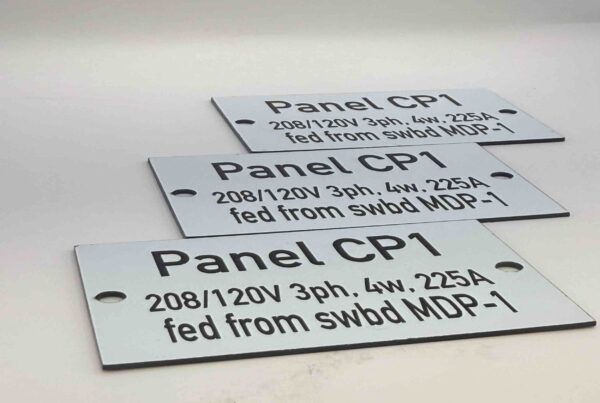
In demanding industrial environments, identification plates must stand up to intense heat, corrosive chemicals, and electrical interference. Custom phenolic nameplates deliver this resilience, offering high-contrast, permanent markings through a combination of thermoset resin layers and expert engraving. This ensures lasting performance and critical safety compliance. This guide will cover what phenolic nameplates are, the differences between laser and rotary engraving, key industrial uses, customization possibilities, adherence to NEC/OSHA/MIL-SPEC standards, and why Embark Printing’s specialized knowledge at phenoliclabels.net is crucial for your personalized nameplate needs. By mastering these points, facility managers, electricians, and manufacturing professionals can select the ideal identification solutions for harsh conditions and efficient asset management.
What Exactly Are Custom Phenolic Nameplates and Why Are They Perfect for Industry?
Custom phenolic nameplates are robust identification markers crafted from layered thermoset phenolic resin, bonded under significant heat and pressure. This layered construction provides exceptional electrical insulation, chemical resistance, thermal stability, and structural integrity—essential qualities that prevent cracking, fading, or warping in tough industrial settings. For instance, phenolic labels on control panels remain perfectly legible even after exposure to aggressive solvents and high-voltage heat. Understanding these material advantages is key to comparing phenolic with acrylic and metal alternatives.
What is Phenolic Material and What Makes It So Effective?
Phenolic material is a thermosetting plastic formed by impregnating layers of kraft paper or fiberglass with phenolic resin, then laminating them under heat and pressure. This structure yields crucial functional benefits: superior electrical insulation to prevent current leakage, excellent chemical resistance against acids and solvents, heat tolerance up to 160 °C, and remarkable dimensional stability through moisture and temperature fluctuations. In practical terms, these properties enable phenolic nameplates to endure the rigors of manufacturing floors, outdoor switchgear, and continuous electrical panel operation without degradation.
The historical development and application of phenolic resins highlight their long-standing utility in demanding environments.
How Do Phenolic Nameplates Stack Up Against Acrylic and Metal Options?
Phenolic nameplates offer superior performance over acrylic and metal alternatives by providing a balanced combination of non-conductivity, exceptional durability, and cost-effectiveness. While acrylic offers clarity, it lacks resistance to chemicals and heat. Metals are strong but conduct electricity and are prone to corrosion.
Phenolic’s distinctive blend of electrical insulation and environmental resilience makes it the top choice when safety and long-term reliability are paramount.
Why Are Phenolic Labels the Go-To for Electrical and Harsh Settings?
Phenolic labels are ideal for electrical panels and extreme environments because their non-conductive properties prevent arc faults, while their heat and solvent resistance ensure legends remain intact. Common uses include circuit identification, switchgear warnings, and busbar labeling. These applications demand materials that won’t warp under high voltage or create conductive paths across markings. By selecting phenolic labels, operations enhance worker safety and meet regulatory compliance without the need for frequent replacements.
The specific requirements for industrial applications, particularly concerning electrical safety and burial conditions, are addressed by the properties of phenolic resin nameplates.
What Engraving Techniques Are Used for Custom Phenolic Nameplates?

Engraving phenolic panels requires methods capable of cleanly and permanently removing resin layers. Laser engraving and rotary engraving are the two primary techniques, each offering distinct advantages in terms of precision, depth, and production speed. Understanding how these processes interact with phenolic material helps in choosing the best method for intricate details or heavy-duty marking requirements.
How Does Laser Engraving Work on Phenolic Labels and What Are Its Advantages?
Laser engraving utilizes a focused beam of light to vaporize or ablate phenolic resin layers, creating high-contrast markings without physical contact. This process achieves sub-millimeter precision for fine text, logos, and barcodes, and operates at high speeds for quick turnaround. In one industrial control panel project, laser-marked phenolic plates featured intricate QR codes that remained scannable even after prolonged outdoor UV exposure. The contactless nature also minimizes tool wear and reduces particulate contamination, making it suitable for cleanroom and sensitive electronics labeling.
What Are the Benefits of Rotary Engraving for Tough Nameplates?
Rotary engraving employs a spinning carbide cutter to remove phenolic layers, creating deeper, more tactile, three-dimensional markings than laser engraving. This method provides maximum abrasion resistance and sharp edge definition, making it ideal for equipment tags subjected to mechanical wear and harsh chemicals. For valve tags in chemical processing plants, deeper rotary cuts ensure legends remain visible after repeated solvent cleaning and impacts. The mechanical process also accommodates bold fonts and larger characters, improving readability in low-light conditions.
How Do You Select the Optimal Engraving Method for Your Custom Phenolic Nameplates?
Choosing the right engraving method involves balancing the need for detail, production volume, and the specific environmental demands of the application.
By carefully considering these factors against your project objectives—whether it’s microscopic label elements or rugged signage—you can ensure the selection of a method that maximizes clarity, durability, and cost-efficiency.
What Are the Primary Industrial Uses for Custom Engraved Phenolic Nameplates?
Phenolic nameplates play a vital role across numerous industries by providing permanent, clear identification in demanding conditions. From electrical control panels to asset tracking systems, these plates are essential for safety, maintenance, and regulatory compliance in diverse operational settings.
How Are Phenolic Nameplates Utilized in Electrical Panels and Switchgear?
Phenolic nameplates are used to clearly identify circuit breakers, busbars, and control switches with permanent markings that resist high temperatures and electrical arcing. Labels placed near wiring and terminals prevent misconnections and satisfy NEC marking requirements. In a major utility project, engraved phenolic plates reduced panel maintenance errors by 40 percent, significantly improving operational uptime and operator safety. Clear identification accelerates troubleshooting and simplifies audits during safety inspections.
Why Are Engraved Valve Tags Crucial for Chemical and Industrial Processing?
Engraved valve tags made from phenolic resin maintain legible service information on equipment in corrosive, high-temperature process lines. These tags display valve identification, flow direction, and maintenance schedules directly on piping, resisting acids, solvents, and steam. In a petrochemical facility, phenolic valve tags with deep rotary engraving lasted over five years longer than previous aluminum tags, drastically reducing replacement cycles and maintenance expenses.
How Do Custom Phenolic Nameplates Aid in Equipment Identification and Asset Tracking?
Custom phenolic tags can incorporate serial numbers, barcodes, or QR codes to link physical assets with digital records, streamlining inventory management and maintenance planning. Labels attached to machinery frames are designed to withstand vibration, cleaning agents, and UV exposure while maintaining scannability. Facility managers report a 25 percent increase in the speed of asset audits after switching to high-contrast laser-engraved phenolic tags, enhancing accountability and minimizing downtime.
What Function Do Phenolic Safety Signs Serve in Industrial Settings?
Phenolic safety signs communicate hazard warnings, emergency procedures, and equipment lockout instructions with permanent, fade-resistant markings. Their inherent durability ensures that critical safety messages remain visible despite exposure to chemicals, abrasion, and outdoor elements. In manufacturing plants, phenolic signage has improved compliance with OSHA display regulations and reduced slip-and-fall incidents by clearly marking wet areas and machine guard boundaries.
What Customization Choices Are Available for Phenolic Nameplate Engraving?
Phenolic nameplates offer extensive design flexibility to meet specific operational and aesthetic needs. Customization options include physical dimensions, color combinations, text and logos, and mounting methods, allowing for seamless integration into any industrial environment.
How Can You Personalize the Size, Shape, and Color of Your Phenolic Nameplates?
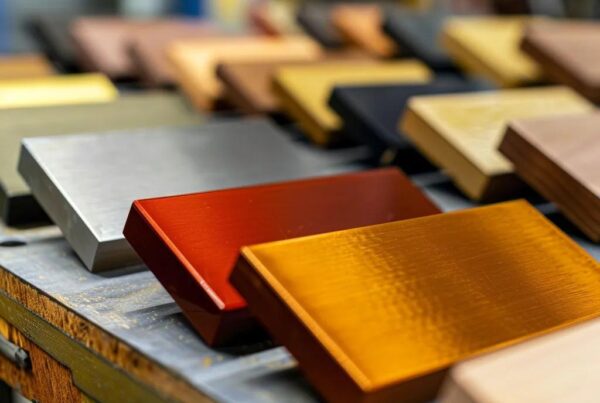
Embark Printing offers custom cutting and color layering to produce nameplates in various shapes—rectangles, circles, ovals, or custom outlines—up to several feet in size. Layered resin colors allow for background and legend contrast, such as black-on-white, red-on-black, or green-on-yellow. For example, a pilot plant ordered circular phenolic tags in bright orange with black lettering for valve identification, ensuring immediate visual recognition during emergency shutdowns. Tailoring dimensions and colors supports brand consistency and facility color-coding systems.
What Mounting Options Are Provided for Custom Engraved Nameplates?
To securely attach phenolic labels, you can select from strong adhesive backing, pre-drilled mounting holes, captive aluminum standoffs, or convenient peel-and-stick magnetic sheets. Adhesive backing is ideal for smooth panel surfaces, while holes with metal washers offer enhanced durability on vibrating equipment. Magnetic options provide removable signage for steel cabinets. Each method ensures stable installation, preventing label detachment in corrosive or high-vibration conditions.
How Do Custom Phenolic Nameplates Meet Industry Standards and Compliance?
Adhering to regulatory requirements for identification in electrical, safety, and military applications necessitates materials and processes that align with NEC, OSHA, and MIL-SPEC guidelines. Phenolic nameplates are specifically engineered to meet these stringent standards.
Which NEC, OSHA, and MIL-SPEC Requirements Do Phenolic Labels Satisfy?
Phenolic labels comply with NEC section 110.21(B), which mandates durable, permanent marking for electrical equipment, OSHA 1910.145 specifications for safety sign legibility, and MIL-SPEC LP387A and LP509 for material composition and engraving depth. These standards require non-conductive substrates, minimum character heights, adequate contrast ratios, and resistance to environmental stresses. By choosing compliant phenolic labels, operations demonstrate readiness for audits and maintain uninterrupted certification status.
How Does Compliance Enhance Safety and Reliability in Industrial Identification?
Regulatory compliance ensures that identification markings remain visible during inspections, thereby reducing the risk of operational errors and equipment downtime. Compliantly marked panels facilitate smoother safety audits and lower liability exposure by meeting prescribed visibility and durability standards. In practice, clear phenolic nameplates enable faster emergency responses and minimize operator mistakes during maintenance, reinforcing both safety and asset reliability.
Why Partner with Embark Printing for Your Custom Engraved Phenolic Nameplates?
Embark Printing brings specialized expertise in material science and engraving technology to deliver industrial identification solutions that withstand the most demanding conditions. With a steadfast commitment to precision, durability, and responsive customer service, Embark Printing empowers industrial professionals to specify the optimal phenolic label applications for their needs.
What Specialized Knowledge Does Embark Printing Offer in Durable Industrial Identification?
As a dedicated provider of custom engraved phenolic labels and nameplates, Embark Printing employs advanced laser and rotary engraving techniques on thermoset resin composites, ensuring high-contrast, permanent markings. The company’s deep understanding of resin formulations and process controls guarantees consistent quality across all production volumes. Clients receive expert guidance on material selection, color layering, and compliance with NEC, OSHA, and MIL-SPEC standards, supported by proven success stories in manufacturing and electrical utility sectors.
How Can You Initiate Your Custom Order for Phenolic Nameplates Today?
Starting your custom order is a simple process: connect with Embark Printing’s technical specialists via phenoliclabels.net to detail your requirements for size, material properties, color scheme, and engraving specifics. A precise design proof will be provided for your approval, followed by meticulous engraving production. Standard order fulfillment typically takes less than two weeks, with expedited options available for urgent projects. This streamlined process minimizes lead times and ensures your custom nameplates are ready for immediate installation.
What Are the Latest Advancements and Innovations in Phenolic Nameplate Engraving?
Keeping pace with evolving industrial demands means embracing the newest engraving technologies, asset management strategies, and environmentally conscious materials. Current trends are enhancing precision, traceability, and safety in phenolic label production.
How Is Laser Engraving Technology Advancing for Industrial Nameplates?
Modern fiber-laser systems now feature higher peak power, dynamic focus tracking, and integrated vision alignment systems to speed up engraving cycles and maintain micron-level accuracy. These innovations allow for ultra-fine text, micro-barcodes, and intricate logos on small phenolic tags. Automated batch processing and remote monitoring further optimize production, reducing manual setup and boosting throughput for large orders.
What Are the Advantages of Integrating QR Codes and Barcodes on Phenolic Tags?
Embedding machine-readable codes on phenolic tags creates a direct link between physical equipment and digital asset databases, facilitating real-time inventory control, maintenance scheduling, and parts ordering. QR codes produced with laser engraving are highly resistant to washdowns and UV exposure, ensuring long-term scannability. This integration accelerates preventive maintenance workflows and enhances traceability for quality systems driven by audits.
How Are Environmental and Safety Standards Shaping Phenolic Label Materials?
New regulations are restricting formaldehyde, phenol, and halogen content in industrial plastics, driving the development of eco-friendlier phenolic resins that maintain performance without hazardous additives. Manufacturers are now offering formaldehyde-free or halogen-free formulations that provide equivalent heat and chemical resistance. These safer materials reduce workplace exposure risks and support sustainability goals without compromising the durability of identification markings.
Permanent, high-contrast phenolic nameplates, combined with precise engraving methods, deliver the robust identification that industrial operations require. By understanding material characteristics, selecting appropriate engraving techniques, and ensuring compliance, you can specify nameplates that withstand extreme conditions and support your objectives for safety, maintenance, and asset tracking.
Embark Printing’s specialized expertise at phenoliclabels.net simplifies the ordering process and provides custom solutions engineered for lasting clarity and durability.
Contact the Embark Printing team to explore personalized nameplates engraving options and secure resilient identification for your facility today.